DR ANTHONY MELVIN CRASTO,WorldDrugTracker, helping millions, A 90 % paralysed man in action for you, I am suffering from transverse mylitis and bound to a wheel chair,With death on the horizon, This will not stop me, Gods call only..........
DR ANTHONY MELVIN CRASTO Ph.D ( ICT, Mumbai) , INDIA 29Yrs Exp. in the feld of Organic Chemistry,Working for GLENMARK PHARMA at Navi Mumbai, INDIA. Serving chemists around the world. Helping them with websites on Chemistry.Million hits on google, world acclamation from industry, academia, drug authorities for websites, blogs and educational contributio
n

Thursday, 7 January 2016

Harsha Vardhan Reddy


dp
Dr. Harsha Vardhan Reddy Kasireddy
http://drharsha.webs.com/
Supervisors: Dr. Y. V. D. Nageswar, , Dr. Mouad ALAMI, , and Dr. Samir MESSAOUD
Address:
C/O Dr. Mouad ALAMI
BioCIS - UMR CNRS 8076
5 rue Jean-Baptiste Clement
92296 CHATENAY-MALABRY Cedex
FRANCE

Harsha Vardhan Reddy
PhD,
Indian Institute of Chemical Technology (IICT ), Hyderabad, India.


file:///C:/Users/anthonyc/Downloads/DrHarshaVardhanReddyKasireddy.pdf
https://e-monsite.academia.edu/DrHarshaVardhanReddyKasireddy
http://drharsha.webs.com/

CLIPS
http://goforscience.org/mydiary/harsha.html


My name is Kasireddy Harsha Vardhan Reddy. I had the honor and great pleasure of being a 2013 Raman-Charpak fellowship Fellow, with support from the fellowship; I have the opportunity to work under the supervision of Prof. Dr. Mouad ALAMI Group at Faculté de Pharmacie, University of Paris sud (France). My project focused on “Dual anticancer activity in a single compound:3-amido-furanocoumarins derivatives as Hsp90/Topoisomerases inhbitors”. Experience in my lab is very good. I learnt lot of chemistry. Almai friendly nature helps a lot. Every week we have a group discussion that gives solution for lot of problems in chemistry. Here no place for negative thoughts, their positive encouragement helps to do better research work. During this period, I got opportunity to handle instruments and also I participated in “2nd International Symposium on C-H Activation”. At that time, I interact with number scientists all over the world that increases my self confidence.

harsha-1

France is an amazing place to do better research work in chemistry. Even more special, every town has its own culture, traditions, and history, and traveling within the country is always a wonderful experience. I have made so many friends from all over the world, seen so many beautiful places in Europe. I honestly had the most amazing and most memorable life during my days of this fellowship. I highly recommend this fellowship for anyone interested in going abroad to utilize their many opportunities and resources. If you want to hear more about my time or these opportunities

harsha-2

please feel free to email me. Home University: Indian Institute of Chemical Technology (IICT ), Hyderabad, India. Area of work: Organic Chemistry University in France: University of Paris sud, E-Mail: khvr143@gmail.com

harsha-3


Education
2010-present PhD in Organic Chemistry, Indian Institute of Chemical Technology, Hyderabad, India. Research supervisor: Dr. Y. V. D. Nageswar, Deputy Director, IICT.
2006-2008 M.Sc. in Chemistry, Sri Krishnadevaraya University, Anantapur, India.

2002-2005 B.Sc. in Chemistry, Sri Krishnadevaraya University, Anantapur, India.

Experience 2008-2009 Worked as Trainee Chemist, GV K BIO Sciences Private Limited, IDA Nacharam, India.

Awards 1 Awarded Junior Research Fellowship (JRF) from the Council for Scientific and Industrial Research (CSIR), New Delhi, India. 2 Awarded Senior Research Fellowship (SRF) from the Council for Scientific and Industrial Research (CSIR), New Delhi, India.

Skills and Interests Synthetic Interested in to develop novel protocols utilizing metal catalysis and synthesizing Organic biologically active molecules Chemistry Green Interested in designing environmental benign synthesis involving atom-efficiency and Chemistry atom-economy as important factors to reduce the excess waste in organic chemical reactions. Computer Origin 8.0, Chem Draw and MS Office. Skills Data Solving Analyzing and solving the 1H NMR (Proton Nuclear Paramagnetic Resonance), 13C Skills NMR (Carbon Nuclear Paramagnetic Resonance) and HRMS (High-Resolution Mass Spectra) charts.


Wednesday, 6 January 2016

Mercedes Villacampa

Mercedes Villacampa


https://www.researchgate.net/profile/Mercedes_Villacampa

http://www.slideshare.net/mercdesvr

https://mercedesvr.wordpress.com/

 https://independent.academia.edu/MercedesVillacampa

Experience

Profesor Titular

UCM


 – Present (34 years)Facultad de Farmacia

Delegada Erasmus

Facultad de Farmacia, UCM


 –  (3 years 11 months)

RESEARCH EXPERIENCE

  • Nov 1980–
    Jun 2013
    Universidad Complutense de Madrid · Facultad de Farmacia
    Spain · Madrid

Recent advances in the synthesis of pyrroles by multicomponent reactions


*
Corresponding authors
a
Departamento de Química Orgánica y Farmacéutica, Facultad de Farmacia, Universidad Complutense, 28040 Madrid, Spain
E-mail: josecm@ucm.es
Chem. Soc. Rev., 2014,43, 4633-4657

DOI: 10.1039/C3CS60015G

Monday, 4 January 2016

Prof. Namrita (N) Lall

Prof. Namrita (N) Lall

Associate Professor Plant Science Section: Medicinal Plant Science
University of Pretoria
Department of Plant Science
Pretoria, South Africa
Office: Plant Sciences Complex 3-39 Tel:  +27 (0)12 420 2524 Fax: +27 (0)12 420 6668
Email: namrita.lall@up.ac.za


Her main research interests include antituberculosis natural product leads from medicinal plants, susceptibility studies of other bacteria to medicinal plants, cytotoxicity of plant extracts/compounds, anticancer activity of medicinal plants, antityrosinase (skin pigmentation, skin lightening) activity of plants, isolation and purification of bioactive principles from plants. I am currently supervising fourteen postgraduate students. I have published 75 papers in peer-reviewed journals and I am the inventor of one US patent and five national patents. Namrita Lall has completed her Ph.D from the University of Pretoria and was a visiting scientist at the University of Illinois, Chicago and Kings College London. She has published more than 100 papers in reputed. She is also the co-inventor of 12 national and international patents. At only 45, this medicinal plant scientist at the University of Pretoria is ranked in the top 1% of the global Essential Science Indicators list of influential academics who write about pharmacology and toxicology. Earlier this year, she received the Order of Mapungubwe- South Africa’s highest honour - from President Jacob Zuma, in recognition of her research. She is a finalist in the 2014 National Science and Technology Forum Award in the category that recognises the outstanding contributions of researchers over the past 10 years.


Selected Publications:
  • Deutschlander MS, Lall N, Van de Venter M, Dewanjee S. The hypoglyceamic activity of Euclea undulate Thunb. Var. myrtina (Ebenaceae) root bark evaluated in a streptozotocin-nicotinamide induced type 2 diabetes rat model. South African Journal of Botany, 80 (2012) 9-12.
  • MB Mapunya, AA Hussein, N Lall. Mushroom tyrosinase activity of novel and known phenolic compounds fromGreyia flanaganii (Bolus). Phytomedicine. 2011, 18: 1006-1012.
  • Karlien Le Roux, Ahmed A. Hussein and Namrita Lall. In vitro chemo-preventative activity of Crotalaria agatiflora subspecies agatiflora Schweinf; Journal of Ethnopharmacology 138 (2011) 748-755.
  • S.P.N Mativandlela, N. Lall, T. Muthivhi, M. van der Walt, A.A.H. Hussein, Kikuchi Haruhisa, Yoshiteru OshimaChris J Hamilton and Peter J Houghton. Antimycobacterial flavanoids from the leaf extracts of Galenia Africana. Journal of Natural Product. Volume 72: pages 2169-2171.
  • Victor Kuete, Jean G. Tangmouo, Marion J.J. Meyer, Namrita Lall. 2009. Diospyrone, crassiflorone, and plumbagin: three antimycobacterial and anti-gonorrheal naphthoquinones from two Diospyros species. International Journal of Antimicrobial Agents.Vol 34: 322-325.
  • A Mahapatra, SPN Mativandlela, B Binneman, PB Fourie, CJ Hamilton, JJM Meyer, F Vander Kooy, P Houghton and N Lall. Activity of 7-methyljuglone derivatives against Mycobacterium tuberculosis and as subversive substrates for mycothiol disulfide reductase. 2007, Biorganic and Medicinal Chemistry 15 ; 7638-7646.
  • Bapela NB, Lall N, Fourie PB, Franzblau S & Rensburg CEG, 2006. Activity of 7-methyljuglone in combination with antituberculous drugs against Mycobacterium tuberculosis, Phytomedicine 13, p 630-635. 

Chapters in BOOKS:
  • Binneman B, Lall N. 2011Phytopharmacological research for the treatment pf cancer. Page number: 34-60, IN " Herbal Drugs, Publisher: New central book agency, Kolkata; ISBN: 978-81-7381-653-6.
  • Mapunya MB, Lall N. 2011. Melanin and its role in Hyper-Pigmentation-Current knowledge and future trends in Research Chapter 11, pages 217-234: In Breakthroghs in Melanoma Research, Publisher; Janeza Trdine 9, 51000 Rijeka, Croatia; ISBN: 978-953-307-291-3, www.intechopen.com.
  • Mativandlela P, Lall N. 2011. The antiquity and history of medicinal plants and tuberculosis. Page number: 62-90, IN " Herbal Drugs, Publisher: New central book agency, Kolkata, ISBN: 978-81-7381-653-6

Patents: 1.    An International patent entitled “Naphthoquinone derivatives and their use in the treatment and control of tuberculosis”. Patent No: US 6,835,755 B1. Inventors: Jacobus Johannes Marion Meyer and Namrita Lall Patent was granted in 9 countries including Switzerland, China, Germany, France, United Kingdom, The Netherlands, Russia, USA and South Africa. 2.    The following patent application has been granted in South Africa: "Plant extracts having anti-tyrosinase activity" (this is the title of the patent" Inventors: N. Lall, S. Momtaz and AA Hussein Granted on 26 May 2010 claiming priority from 15 October 2008.
Teamwork and collaboration with
others: National
  • Prof. JJM Meyer (Head of the Department, Plant Science, University of Pretoria)-Antimicrobial and antimycobacterial activity of medicinal plants, isolation and purification of natural products from medicinal plants.
  • Mrs. B. Carmen (Dept of Pharmacy, TUT) – Listeriosis and medicinal plants
  • Dr. B. Fourie (MRC) – In vitro and in vivo efficacy of anti-TB compounds
  • Dr. F. Botha (Dept of Dentistry, UP) – Evaluation of inhibitory activity of medicinal plants on tooth pathogens.
  • Prof CEJ Van Rensburg (Dept of Pharmacology, UP) – Anticancer activity of medicinal plants
  • Dr. Maryna Van de Venter (Dept of Biochemistry, NMMU University) – Efficacy of antidiabetic activity of plants.
  • Prof. Johan Louw (Dept of Pharmacology, UCT) – In vivo efficacy of potent anti-diabetic extracts and compounds in rat models
  • Prof. JN Eloff (Ondersteproot Research Institute, UP) – Application of medicinal plants for veterinary purposes.
  • Prof. RV Nikolova (University of Limpopo) – Antityrosinase activity of plants


International
  • Prof P J Houghton (Dept of Pharmacy, University of London) – Natural product isolation (I worked for 2 months in his laboratory and was trained in isolation, purification of natural products as well as different chromatographic techniques).
  • Dr. PN Panpalia (Birla Institute of Technology, Ranchi, India) - Antityrosinase activity of natural products
  • Dr. Cynthia Werner (Bastyr University, Seattle, USA) - Anti-HIV evaluation of medicinal plants
  • Prof. Scott Franzblau (University of Ilinois, Chicago, USA) – Intracellular activity of anti-TB compounds
  • Dr. Chris Hamilton (Queens University, Belfast, Ireland) – Interference of anti-TB compounds on mycothiol reductase.
  • Dr. Anita Mahapatra (CSIR, RRL, India) – Structure-activity relationship of the synthetic derivatives of bioactive compounds
  • Dr. Ahmed Hussein (Dept of Pharmaceutical Sciences, Egypt) – Phytochemical evaluation of medicinal plants.
Namrita Lall

Industry
  • Natura, Pretoria: Quality control and standardization of Phyto-drugs
  • Syringa, Pretoria: Antimicrobial bioassays of Phyto-drugs
  • Chemgrid: Stability testing of Plant-samples
  • Future Cosmetics: Clinical studies of cosmeceuticals

UP women scientists scoop awards in their respective fields. A round of applause goes to the three women scientists’ viz. Professor Namrita Lall as winner of Distinguished Women In Science Award in Indigenous Knowledge Systems” and , Professor Jolanda Roux Distinguished Young Women In Science Award in Life, Natural and Engineering Sciences” respectively and professor Fhumulani Mulaudzi as a runner-up for “ Indigenous Knowledge Systems” category. These awards go to women scientists who have made an outstanding scientific contribution to advancing science and building the knowledge base in their respective disciplines.
Prof. Namrita Lall is the winner of “Distinguished Women In Science Award in Indigenous Knowledge Systems”.  She is internationally recognised for her contributions to bioprospecting from traditional knowledge on medicinal plants. Prof. Lall is currently a Professor in Medicinal Plant Science at UP. She Professor Lall has scientifically validated the use of South African plants for various purposes such as medicinal and cosmetics. Since 1977 she has initiated research projects on cosmeceuticals, tuberculosis, diabetes and cancer using medicinal plants. As an academic, she has a record of 64 peer-reviewed articles, one international and one national patent and two book chapters. Pref. Lall received a UNESCO L’Oreal Women in Science Award for her research in tuberculosis in 2002. She is on the editorial board s of various academic journals and reviewer for 15 local and international journals. Prof. Lall is an NRF C- rated researcher...........http://www.up.ac.za/en/-ems-research/news/post_1754804-women-in-science-award


South Africa has a wealthy supply of plants (about 23 500 species of higher plants). South African plants for various purposes such as infectious diseases, cancer, skin-hyperpigmentation problems, melasma, Periodontal diseases, and for ACNE problem have been scientifically investigated. Steady progress in evaluating potential medicinal plants for product development with dermatological importance has been made. \\\\r\\\\n\\\\r\\\\nA significant number of plants with potential inhibitory activity against Propionibacterium acnes are undergoing clinical studies. Colonization of this bacteria contribute to the etiology of the disease; ‘Acne vulgaris’ which is a most common skin disorder. Several agents which have been found to interfere with the transcription of genes encoding tyrosinase- protein, have been identified which are being considered to result in marketed product with application for skin-disorders such as melasma, skin-hyperpigmentation etc. There has not been any product for combating these problems thus far from South African plants. The sample formulated into a cream was applied on 25 healthy volunteers for skin-irritacy testing at an industry, “Future Cosmetics” in Pretoria. The sample did not show any irritacy effect, rather soothing effect was observed. The samples were further subjected to clinical studies and has been recommended for their use for melisma and skin-toning purposes. The research results have attracted a number of national and international Cosmeceutical companies who are willing to commercialise selected South African plant extracts and purified compounds emanated from our research. This is of important economic value because at present South African companies import cosmetic actives from overseas. The impact of research and development into local plants will therefore have huge spin-offs for both communities and cosmetic companies..............http://www.omicsonline.org/speaker/namrita-lall-university-of-pretoriasouth-africa/

Minister of Science and Technology, Ms Naledi Pandor congratulates Prof Jolanda Roux, after receiving her award.
Prof Jolanda Roux from UP's Forestry and Agricultural Biotechnology Institute (FABI) and Prof Namrita Lall, an associate professor in the Department of Plant Science (Medicinal Plant Science), have won the top Women in Science awards. Prof Fhumulani Mulaudzi, the head of UP's Nursing Science, was named a runner-up to Prof Lall. The winners were announced at the Women in Science Awards, hosted by the Ministry of Science and Technology, held at the Union Buildings on Friday 19 August. The awards honoured the university’s professors for their contribution to advancing science and building the knowledge base in their disciplines. Prof Jolanda Roux won the top Distinguished Young Women in Science Award for Life, Natural and Engineering Sciences. She was honoured for her research on the health of tress which focuses strongly on fungi and bacteria resulting in disease and death of trees. Most of the research has been focused on the diseases of the commercial plantation forestry species in South Africa and other African countries, namely Acacia mearnsii, Eucalyptus spp. and Pinus spp. Prof Roux was recently awarded the Queen’s Award by the Commonwealth Forestry Association for her contribution to Forestry. Another achiever is Prof Namrita Lall, who won the Indigenous Knowledge Systems Award in the category of Distinguished Young Women in Science. Her contribution is for a scientific validation of the use of South African plants for medicines and cosmetics. She has also initiated research projects on cosmeceuticals, tuberculosis, diabetes and cancer using medicinal plants. Prof Fhumulani Mulaudzi was named the runner-up to Prof Lall and was acknowledged for her contribution to the advancement of Indigenous Knowledge Systems in the health care. Her research interests lies in human rights and ethics, HIV/ AIDS, indigenous knowledge system and reproductive health. She is a member of the research committee of the Africa Honour Society of Nursing. 
Prof Namrita Lall receives an award from the Minister of Science and Technology,Ms Naledi Pandor.
Prof Jolanda Roux receives an award from the Minister of Science and Technology, Ms Naledi Pandor 
Minister of Science and Technology Naledi Pandor (centre) is flanked by Prof Namrita Lall and her runner-up Prof Fhumulani Mulaudzi (left).
 

Prof Namrita Lall working with Tukkies MSc students Mabatho Nqephe and Anna-Mari Kok. Earlier this year, Prof. Namrita Lall of the University of Pretoria received the Order of Mapungubwe – South Africa’s highest honour – in recognition of her research into the use of South Africa’s indigenous plants for the treatment of anything from cancer and tuberculosis (TB) to acne and gum disease. At only 45, this medicinal plant scientist is ranked in the top 1% of the global Essential Science Indicators list of influential academics who write about pharmacology and toxicology. She was also recently a finalist in the 2014 National Science and Technology Forum Award. Working with collaborators around the world, she has already registered 11 local and international patents and has written more than 100 research articles and seven book chapters. “The vast traditional knowledge about our country’s plants is still untapped, and there is a huge amount of work needed to verify if and how traditional remedies and local plants actually work,” says Prof Lall, who hails from India. Her interest in this field of research was ignited in 1997 when she met a well-known medicinal plant Prof Marion Meyer. This UP academic became her PhD supervisor and is now also a valued colleague and collaborator. Working under his guidance, Prof Lall made one of her first research breakthroughs when she discovered that derivatives from the organic compound Naphthoquinone could help to treat and control liver problems that are often associated with the use of tuberculosis medicines. As winner of the 2002 UNESCO-L’Oreal Award for Women in Science Prof Namrita Lall visited Paris where her eyes were opened to the possibilities and potential of “cosmeseutics” – cosmetic products with biologically active ingredients, often derived from plants. “Seeing these products on a supermarket shelf is still a long way off, but it will be worthwhile,” she believes. “We are now working on up-scaling the processes for extracting valuable compounds from the plants, so that it can be used on a commercial scale.” Prof Lall is equally passionate about a future where products from indigenous plants will not only benefit companies and consumers, but also the local communities. “I dream of seeing small factories in local communities where they can process the plants and produce the products themselves,” she says. One of Prof Lall’s particular research interests is finding new skin care solutions based on plants grown in South Africa. In one of her review articles published in the Journal of Ethnopharmacology, she documented more than 100 local plant species being traditionally used for a wide range of skin problems. This includes ringworm, rashes and shingles to abscesses, acne, wounds and warts. Many of these remedies are known only to a small group of people in a specific region and at least 35 of these plants are still totally unexplored or scientifically documented. Working with one of her PhD students, Richa Sharma, she is exploring the use of the Leucosidea sericea shrub (also known as oldwood) and have found that chemical compounds in its silky grey leaves reduce the inflammation caused by a particular acne-causing bacterium. The results were published in the scientific journal Phytochemistry Letters earlier this year. It’s however not only the plant life of South Africa’s forests and grasslands that grab her attention. In a collaborative project with Prof Debra Meyer of the UP Department of Biochemistry it was found that the Red Sea soft coral (Litophyton arboretum) has certain inhibitory qualitiesThis might be valuable in developing drugs that target HIV and cancer. The results were published in the journal Marine Drugs.Nature’s medicine chest, validated by science: Prof Namrita Lall is working on scientifically proven liver remedies and skin products based on the active ingredients found in South Africa’s indigenous plants.  


From the left: Prof Namrita Lall, Prof Cheryl de la Rey (Vice-Chancellor and Principal), Prof Jolanda Roux, Minister Naledi Pandor (Department of Science and Technology) and Prof Brenda Wingfield (Deputy Dean: Faculty of Natural and Agricultural Sciences).

Two highly acclaimed researchers from the Faculty of Natural and Agricultural Sciences at the University of Pretoria were honoured with the prestigious South African Women in Science Awards (WISA) from the Department of Science and Technology (DST) on 19 August 2011. The DST hosts the South African WISA annually to recognise and reward the achievements of South African women scientists and researchers. Prof Namrita Lall from the Department of Plant Science received the Distinguished Women Award for her outstanding scientific contribution to advancing science and building the knowledge base in in the field of Indigenous Knowledge Systems. Prof Jolanda Roux from the Forestry and Agricultural Biotechnology Institute (FABI) was the recipient of the Distinguished Young Women Award (under the age of 40) for her outstanding contribution to advancing science and building the knowledge base in the Life, Natural and Engineering Sciences category. Prof Lall is well recognised as an expert in Medicinal Plant Science. She has acquired specialised skills, developed novel assays for application in drug-screening and analysis from botanical sources and consistently encouraged a number of postgraduate students to enter the same field. In particular, Prof Lall is also the driving force behind an in-depth exploration of the antituberculosis potential of several plants which are being used for TB- treatment. She has received several awards, including the prestigious “UNESCO-L’Oréal for Women in Science” award in 2002. Prof Lall is internationally recognised for her contributions to bio-prospecting from traditional knowledge on medicinal plants. The focus of Prof Lall’s research has been on scientifically validating the usages of plants for diseases such as TB, cancer, hyperpigmentation disorders and periodontal diseases. In this context, she also demonstrated her commitment to various communities around the country by engaging them towards a better understanding of indigenous knowledge and advancing phytomedicines towards conventional pharmaceutical products. Prof Roux’s research interests focus strongly on fungi and bacteria resulting in disease and death of woody hosts. Most of the research has been focused on the diseases of the commercial plantation forestry species in South Africa and other African countries, namely Acacia mearnsii, Eucalyptus spp. and Pinus spp. The Commonwealth Forestry Association has also recently bestowed Prof Jolanda Roux with the Queen's Award for her contribution to forestry. With her appointment in the Department of Science and Technology/National Research Foundation Centre of Excellence in tree health biotechnology (CTHB), Prof Roux has now become much more involved in investigating the health of native tree species in Southern Africa. She is especially involved in the in-field diagnosis of disease and pest problems and the identification of the causal agents using morphological and molecular techniques.  


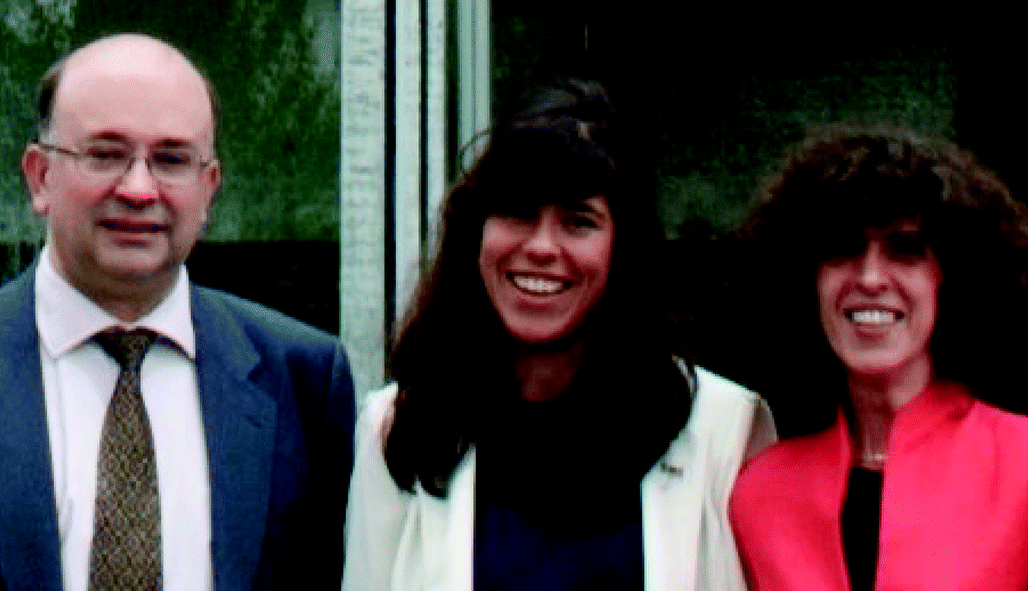
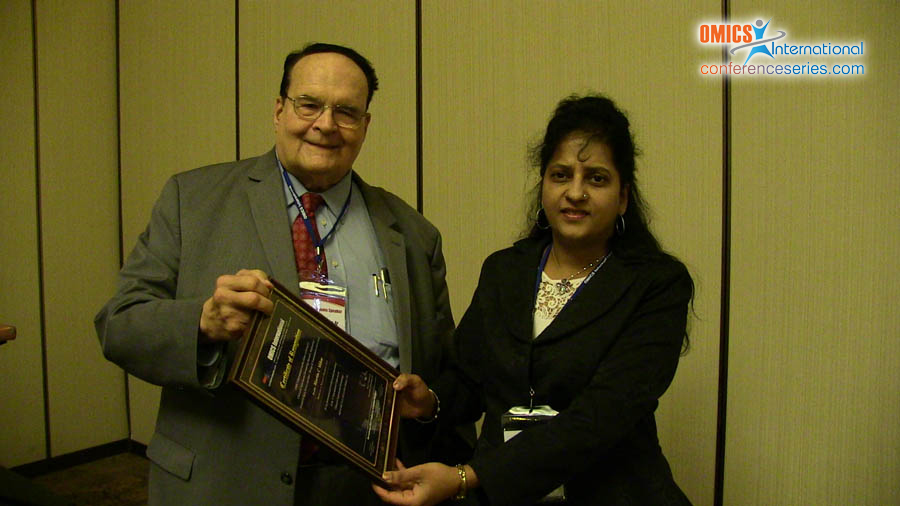
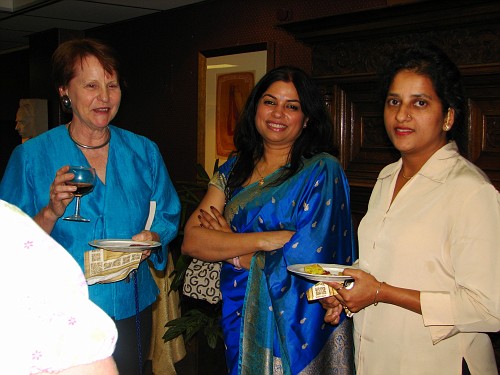
 Mrs Monica Hammes, Mrs Aparna Swarup and Prof Namrita Lall


With Academics from USA and Minister of Art and culture of SA


"National Orders are the South Africa's highest awards that the country bestows on its citizens and eminent foreign nationals who have contributed towards the advancement of democracy and who have made a significant impact on improving the lives of South Africans.
Chancellor of the National Orders announce the names of those South Africans and eminent foreign nationals who will be awarded National Orders at an investiture ceremony to be held on Freedom Day, Sunday 27 April 2014.
The Order of Mapungubwe in Bronze will be bestowed on: Prof. Namrita Lall: For her outstanding contribution in the field of medical sciences.

The Order of Mapungubwe recognises South Africans who have accomplished excellence and exceptional achievement to the benefit of South Africa and beyond.
This year’s ceremony will be held under the theme “South Africa- A Better Place to live in”.
The National Orders also recognise the contributions made by individuals towards building a non-racial, non-sexist, democratic and prosperous South Africa as envisaged in our Constitution.
This is the 20th Investiture ceremony since the inception of the new National Orders system, contributing towards unity, reconciliation and building the nation.
President Jacob Zuma will bestow to deserving recipients the Order of Mendi for Bravery, the Order of Ikhamanga, the Order of the Baobab, the Order of Luthuli, the Order of Mapungubwe, and the Order of the Companions of OR Tambo".
 

 SA-President Jacob Zuma


 South Africa's Presidential Guest House
//////////

Sunday, 3 January 2016

Niveen M. Khashab

.

 Niveen M. Khashab

, Jeddah ·  


  • PhD University of Florida, Gainesville, U.S., 2006
  • BS American University of Beirut, Lebanon, 2002


 https://www.researchgate.net/profile/Niveen_Khashab/info


she was born and raised in the beautiful city of Beirut in the heart of Lebanon. The pearl of the middle east, one of the names by which it is known, is a beautiful small city by the Mediterranean sea. I finished high school at the Makassed Secondery School for Girls in 1998. I was always good in chemistry so i decided to major in it. I attended the American University of Beirut where I graduated in 2002 with a Bachelors in Chemistry. Under the guidance of Prof. Maklouf Haddadin, I did some undergraduate research and decided that I should go to graduate. school and pursue a phD in organic Chemistry. I choose to go to University of Florida and work for Prof. Alan Katritzky in Heterocyclic chemistry where I got my phD in December 2006. Deciding where to go for a postdoc was hard but then one day I was charmed by Prof. Fraser Stoddart after listening to one of his seminars and I decided to join his group. Since then. I've been working with very exciting stuff and all include the word nano!! In my free time I enjoy hanging out with my favorite person in the whole world, my baby girl Karen.


Research Interests

Professor Khashab's research interests are in design, synthesis, and applications of "smart" programmable nanomaterials with emphasis on the controlled release and delivery aspects of the systems. These engineered materials are utilized for biomedical (delivery, sensing, and imaging), industrial (nanocomposites) and environmental (membranes synthesis) applications.
Biomedical Applications
Stimuli responsive nanomaterials are prepared to package and deliver drugs directly to diseased cells, which reduce the harm to healthy parts of the body. It also allows for the delivery of hydrophobic drugs that cannot be up taken by cells. The delivery containers range from carbon based materials to inorganic capsules such as silica nanoparticles. Sensors and imaging agents based on metallic clusters and particles are also designed for separate use or direct incorporation with the delivery system for enhanced theranostic effect.
Industrial Applications
Surface modification of nanomaterials affects many of their physical and chemical properties. Improving the dispersion and interaction of nanomaterials is a hot topic as it has direct industrial application especially in the field of nanocompsites. Interaction of functionalized nanomaterials with different polymer matrices leads to a new generation of thermally, mechanically, and/or electrically enhanced materials.
Environmental Applications
Designing nanomaterial support systems for different catalysts has impressive environmental implications as it boosts the recyclability of these catalysts, which eventually leads to “green” practices. It also increases and protects the activity of the catalysts, which makes this process commercially viable. Furthermore, incorporating the designed nanomaterials in membranes promotes their practical use for different environmental processes.

 

Selected Publications

  • "Light-on” Sensing of Antioxidants Using Gold Nanoclusters. By: Lianzhe Hu , Lin Deng , Shahad Alsaiari , Dingyuan Zhang , and Niveen M Khashab. From: Analytical Chemistry Journal, ACS, 2014 ASAP
  • Low-Magnetization Magnetic Microcapsules: A Synergistic Theranostic Platform for Remote Cancer Cells Therapy and Imaging; By: Wei Zhang, Lin Deng, Guangchao Wang, Xianrong Guo, Qiujin Li, Jianfei Zhang and Niveen M. Khashab From: Part. Part. Syst. Charact. 2014 ASAP
  • The Hofmeister effect on nanodiamonds: how addition of ions provides superior drug loading platform. By Yong Guo , Song Li , Wengang Li , Basem Moosa and Niveen M. Khashab. From Biomaterials Science (2014), 2(1), 84-88.
  • Polyetherimide/Bucky Gels Nanocomposites with Superior Conductivity and Thermal Stability. By Chen, Ye; Tao, Jing; Deng, Lin; Li, Liang; Li, Jun; Yang, Yang; Khashab, Niveen M. From ACS Applied Materials & Interfaces (2013), 5(15), 7478-7484.
  • Mechanised nanoparticles for drug delivery, K. Coti, M. E. Belowich, M. Liong, M. W. Ambrogio, Y. A. Lau, H. Khatib, J. I. Zink, N. M. Khashab, J. F. Stoddart, Nanoscale 2009, 1, 16-39.
 

1- Benzotriazolyl-Mediated 1,2 Shifts of Electron-Rich Heterocycles Alan R. Katritzky, Niveen M. Khashab, Sergey Bobrov, Kostyantyn Kirichenko J. Org .Chem. 2004, 69, 4269-4271.
2- An Effcient Method for the Preparation of Trisubstituted Guanidines Alan R. Katritzky, Niveen M. Khashab, Sergey Bobrov Helv. Chim. Acta. 2005, 88, 1664.
3- Synthesis of Mono- and Symmetrical Di-N-Hydroxy and Aminoguanidines Alan R. Katritzky, Niveen M. Khashab, Sergey Bobrov, Megumi Yoshioka J. Org .Chem 2006, 71, 6753.
4- Microwave Assisted Synthesis of Amidrazones and Amidoximes Alan R. Katritzky, Niveen M. Khashab, Nataliya Kirichenko, Anamika Singh J. Org .Chem 2006, 71, 9051.
5- Preparations of Substituted Thiosemicarbazides and N-Hydroxythioureas. Alan R. Katritzky, Niveen M. Khashab, Anna Gromova Arkivoc 2006, 266.
6- C-Imidoylation of Esters, Sulfones, Sulfoxides, Amides and Nitro Compounds Alan R. Katritzky, Niveen M. Khashab, Anamika Singh Arkivoc 2007, 263.
7- Imidoylation Reactions at Carbon Alan R. Katritzky, Niveen M. Khashab Arkivoc 2007, In press.
8- C-Amino- and C-Hydroxyimidoylation of Ketones, Esters, and Sulfones Alan R. Katritzky, Niveen M. Khashab, Danniebelle Haase, Megumi Yoshioka J. Org .Chem 2007, In press.
9- Solid Phase Peptide Synthesis Utilizing Aminoacylbenzotriazoles Alan R. Katritzky, Niveen M. Khashab, Megumi Yoshioka, Jodie Johnson, Krista Wilson, Danniebelle Haase, Chemical Biology and Drug Design 2007, Accepted.


New smart-drug research may help target cancer therapy


Dr. Niveen M. Khashab and her team at KAUST
Smart systems are a promising way to control the release of drugs within the body in order to produce enhanced and more targeted treatments. In a paper recently published in Biomaterials Science, (doi: 10.1039/c3bm60222b), Dr. Niveen M. Khashab, Assistant Professor of Chemical Science at KAUST, and colleagues, successfully demonstrated using thermosensitve liposomes to control the release of a drug by turning a simple system into a smart system.
“In this project we designed liposomes that are thermosensitive. By thermosensitive, I mean we used specific functional groups within the molecule that can get inside the surface of the liposomes and cause the drug to be released,” Dr. Khashab said.

Finding a Way to Target Drugs in the Body

Liposomes are highly used in drug delivery, but the problem is that they can’t be controlled or targeted. They are also quickly eliminated from the blood and often end up in the liver. Researchers have spent decades trying to reduce this problem. One of the ways is by studying stimuli-sensitive liposomes in hopes of finding an approach that would allow for a more controlled release– especially in cancer therapies.
“With cancer therapy and the current anti-tumor drugs in the market, a major disadvantage is that when the drugs are taken in the body, they can go everywhere. When trying to do a kind of smart-controlled release drug nano-vehicle, we are attempting to control the delivery,” Dr. Khashab said.

Liposomes Triggered by Heat to Control Drug Release

There are numerous approaches to stimuli-responsive liposomes ranging from liposomes that are pH sensitive, to magnetic fields, to experimenting with temperatures. Dr. Khashab and her team focused on the latter by designing thermosensitive liposomes that have proved to be effective in their release experiments inside cells.
Because the liposomes the team designed are heat sensitive, instead of releasing and spreading everywhere, the drug doesn’t release until it reaches the heated tumor tissue in the body. To do this, Dr. Khashab’s team used a cholesterol moiety that pins itself to the surface of the liposomes. She says using cholesterol as the “pin” was a logical choice as it makes up 30 percent of the cell membranes in the body, it is biocompatible and has a natural anchor-ability – something they needed to create what they call the “nail” or “comb” effect.
During their experiments, cholesterol modified NIPAm oligomers were used as the anchor that attached to the liposome. When they used a main-chain oligomer, it produced a “nail” effect by attaching to the surface head-to-head, and when they used a side-chain oligomer it produced a “comb” effect. Both effects proved to be efficient in the study.
“At normal body temperature, they would sit there on the surface. But if it is uptaken into a cancer cell and we increase the temperature to 40 degrees, you can monitor the ‘nail’ actually pressing inside,” Dr. Khashab said.
Rather than increasing the entire body temperature, the increase would be targeted to specific areas or tissues by external machines such as those used in hyperthermia and photodynamic therapy. As the tissues are heated, the cholesterol oligomer is aggregated, causing it to press into the lipid bilayer of the liposome. “This action of the pressing inside would release the drug inside the cancer cell essentially killing it. By this way we hope to have more control of drug release in cancer cells while keeping healthy cells safe,” Dr. Khashab explained.

The Difference Between the ‘Nail’ and the 'Comb’

The main difference between the “nail” and the “comb” release of the drug is the backbone shrinkage. With the “comb” effect, the side-chain sequence resulted in more lateral forces (the teeth of the comb) being pushed into the liposome as it was heated, which resulted in more of the drug being released at one time when compared to the “nail” effect.

Diagram showing the "nail" and "comb" effect.
However, their study showed that the difference in the results was not drastic due to the limited length of the chain. The team also found that controlling the length of the chain was another advantage of the NIPAm oligomers. The longer the chain; the faster the release.

Transforming a Simple System into a Smart System

“Fifty percent of the efforts in my lab go towards targeted and sustained drug delivery. What was nice about this project, was that we were able to take a simple system and modify it to be a smart system,” said Dr. Khashab.
Now that the team has shown the results of the their “nail” and “comb” effects on the release of liposomes in targeted areas, the next phase will be seeing how the effect works on live tissues and in various scenarios. “We were able to test and get effective results in-vitro, but the most critical step remains doing in-vivo work in small animals in order for this work to have major impact,” said Dr. Khashab.  
By Michelle A. Ponto, KAUST News

 
/////////