DR ANTHONY MELVIN CRASTO,WorldDrugTracker, helping millions, A 90 % paralysed man in action for you, I am suffering from transverse mylitis and bound to a wheel chair,With death on the horizon, This will not stop me, Gods call only..........
DR ANTHONY MELVIN CRASTO Ph.D ( ICT, Mumbai) , INDIA 29Yrs Exp. in the feld of Organic Chemistry,Working for GLENMARK PHARMA at Navi Mumbai, INDIA. Serving chemists around the world. Helping them with websites on Chemistry.Million hits on google, world acclamation from industry, academia, drug authorities for websites, blogs and educational contributio
n

Monday, 15 June 2015

DR ZOE WILSON


DR ZOE WILSON
Post Doctoral Research Associate in the group of Professor Steven V. Ley working on the synthesis of complex natural products and synthetic methodology.

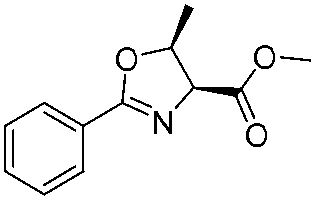
C4OB02105C GA


image file: c4ob02105c-u2.tif2a

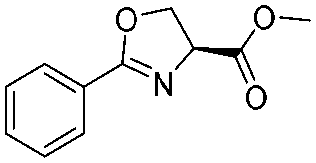
(4S,5S)-5-Methyl-2-phenyl-4,5-dihydro-oxazole-4-carboxylic acid methyl ester (2a).

The rapid synthesis of oxazolines and their heterogeneous oxidation to oxazoles under flow conditionsSteffen Glöckner, Duc N. Tran, Richard J. Ingham, Sabine Fenner, Zoe E. Wilson, Claudio Battilocchio and Steven V. Ley DOI: 10.1039/C4OB02105C, Paper From themed collection Recent Advances in Flow Synthesis and Continuous Processing

The rapid synthesis of oxazolines and their heterogeneous oxidation to oxazoles under flow conditions

*Corresponding authors
aDepartment of Chemistry, University of Cambridge, Lensfield Road, Cambridge CB2 1EW, UK
E-mail: svl1000@cam.ac.uk Web: http://www.leygroup.ch.cam.ac.uk/
Org. Biomol. Chem., 2015,13, 207-214
DOI: 10.1039/C4OB02105C
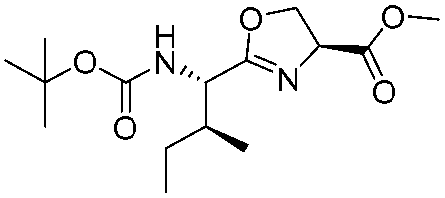
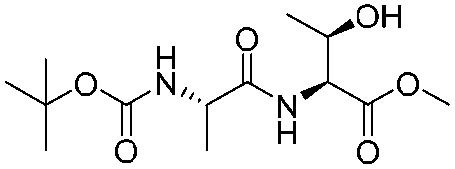
A rapid flow synthesis of oxazolines and their oxidation to the corresponding oxazoles is reported. The oxazolines are prepared at room temperature in a stereospecific manner, with inversion of stereochemistry, from β-hydroxy amides using Deoxo-Fluor®. The corresponding oxazoles can then be obtained via a packed reactor containing commercial manganese dioxide
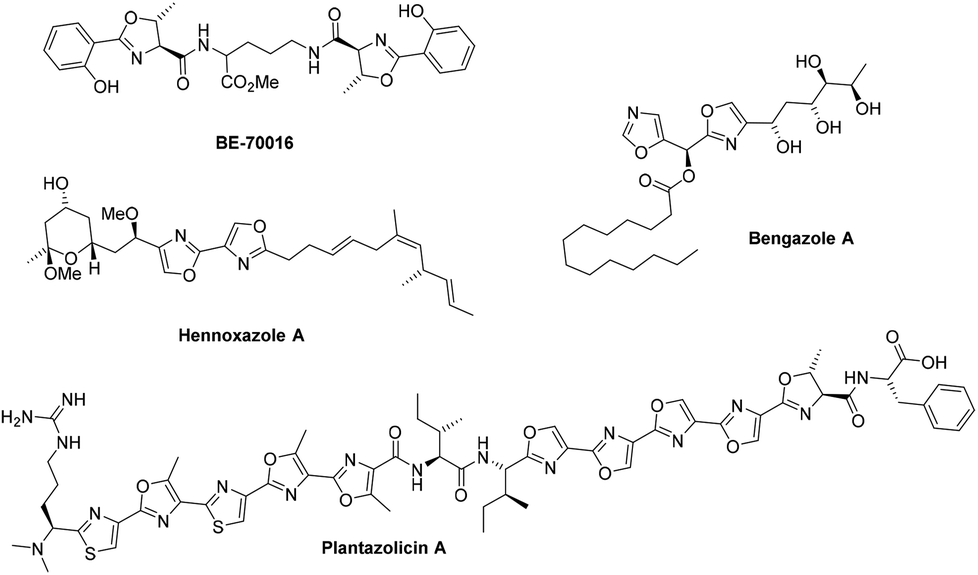
image file: c4ob02105c-f1.tif
Fig. 1 Oxazoline- and oxazole-containing natural products.
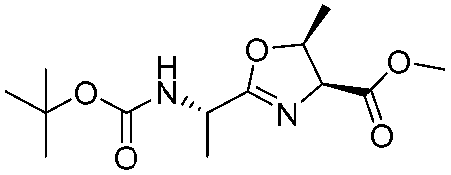
image file: c4ob02105c-s1.tif
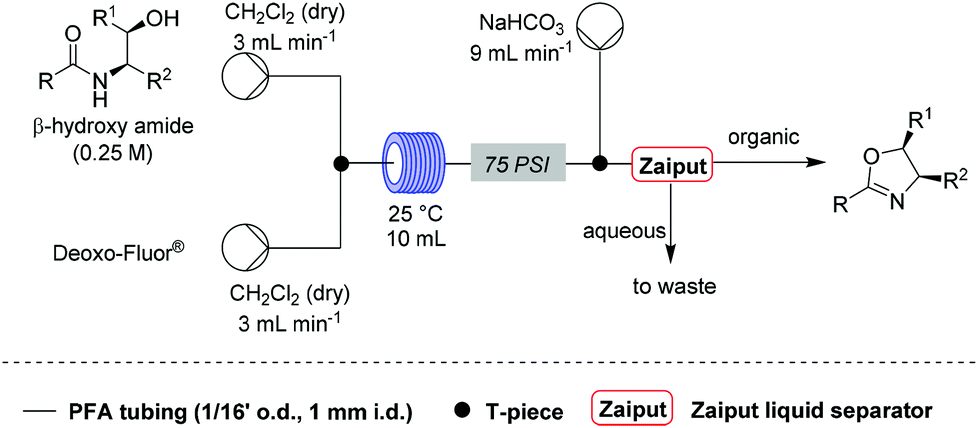
Scheme 1 Optimised conditions for the flow synthesis of oxazolines.
image file: c4ob02105c-s2.tif
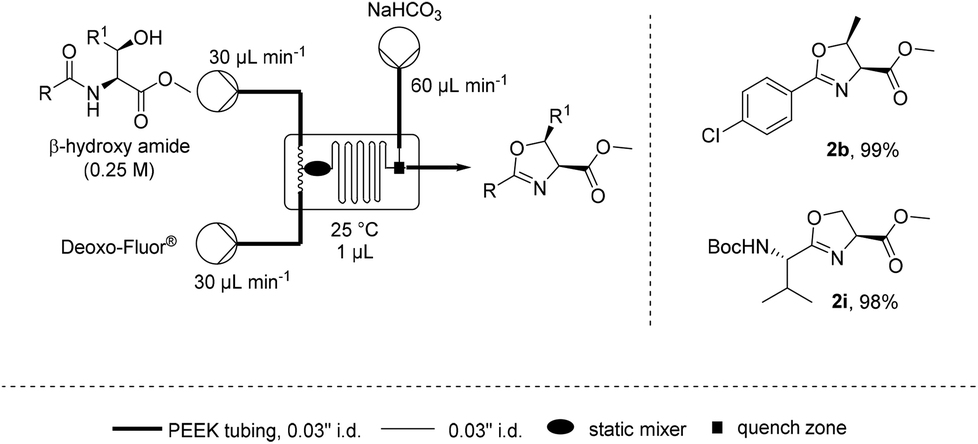
Scheme 2 Microchip reaction for the preparation of oxazolines.
image file: c4ob02105c-s3.tif
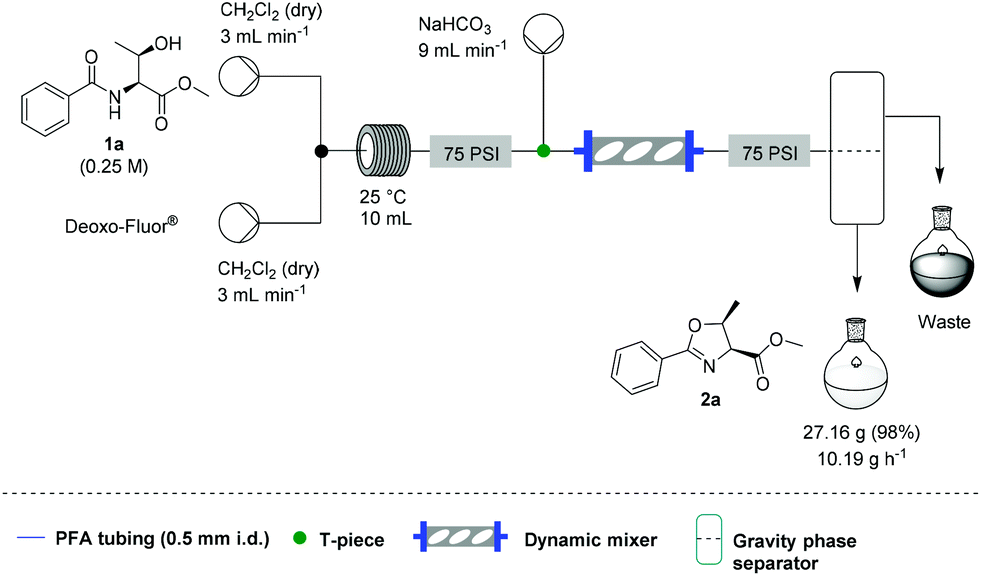
Scheme 3 Platform set up for the scale up experiment.
image file: c4ob02105c-s4.tif
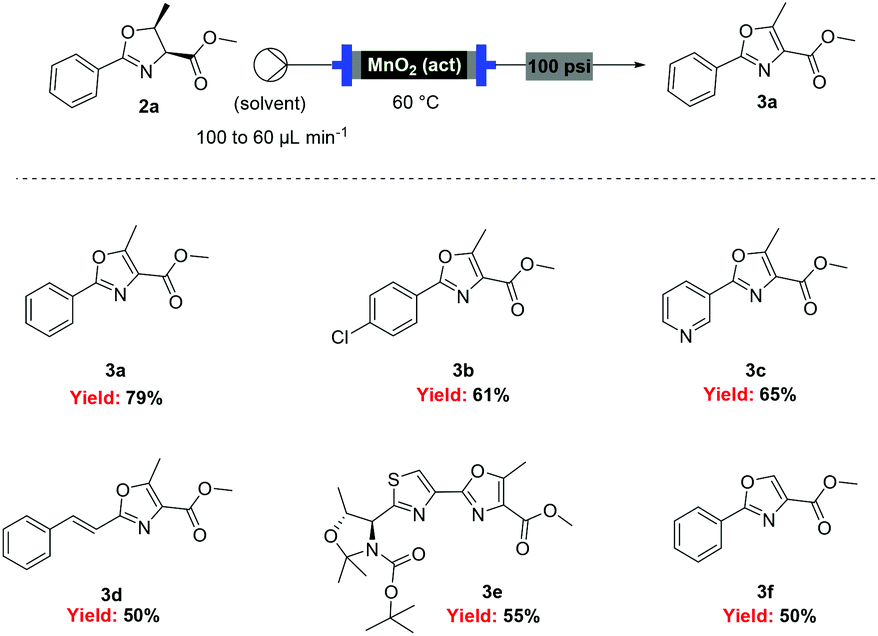
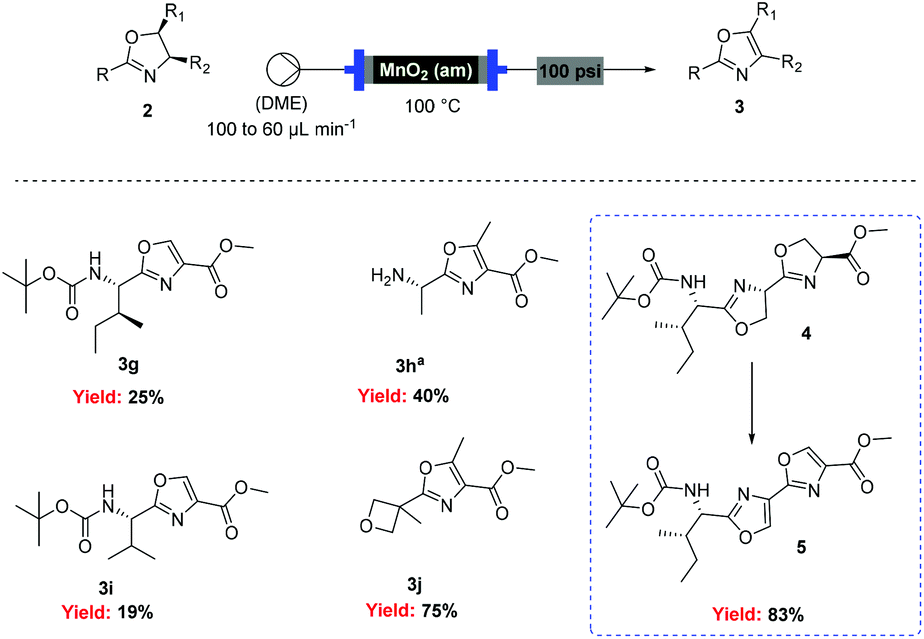
Scheme 4 Flow oxidation of aryl-oxazolines using activated MnO2.
image file: c4ob02105c-s5.tif
Scheme 5 Flow oxidation of 2-alkyl-oxazolines using amorphous MnO2. a[thin space (1/6-em)]Deprotection was observed.
image file: c4ob02105c-s6.tif
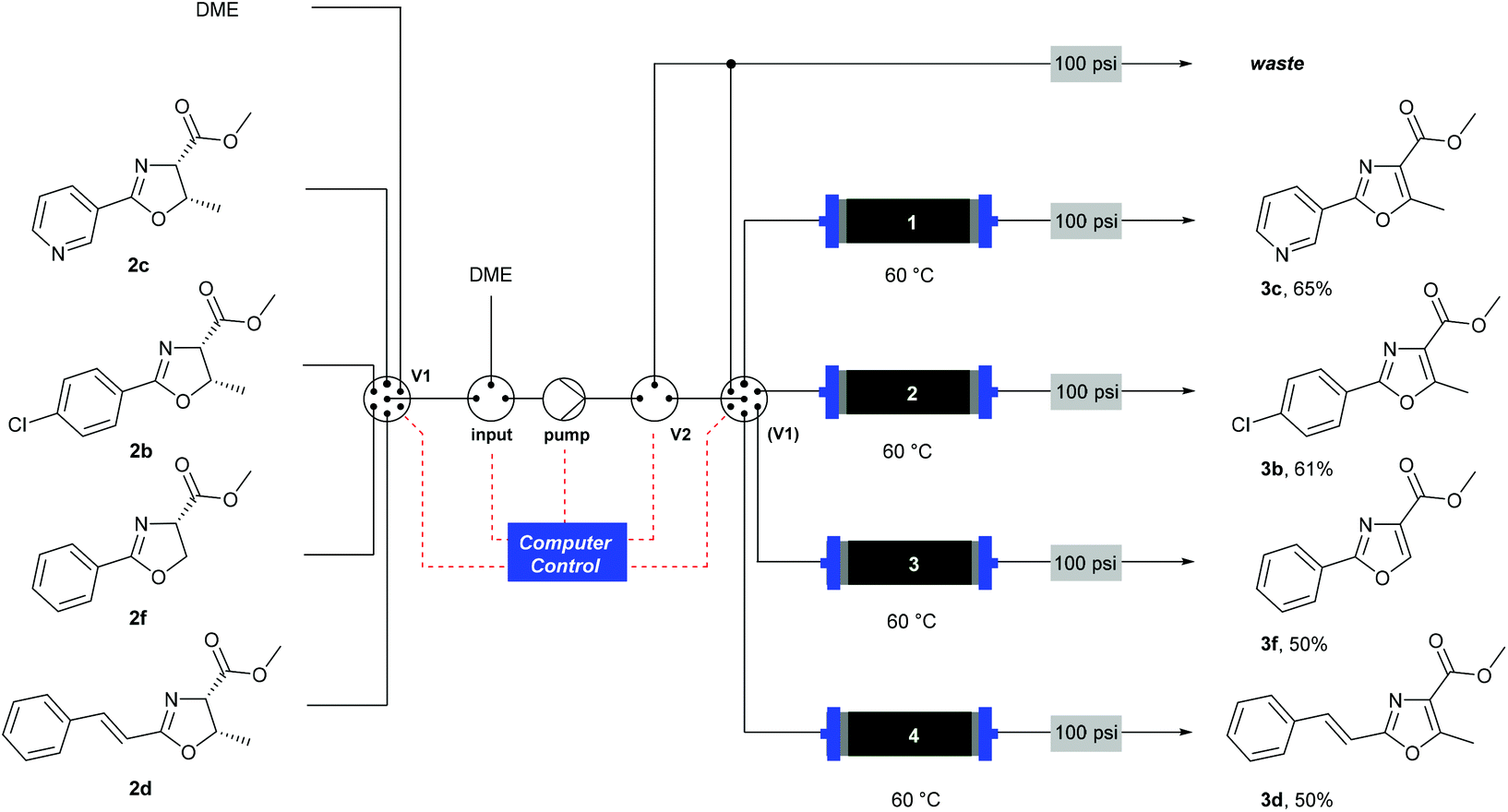
Scheme 6 Automated oxidation of oxazolines using a Raspberry Pi® computer and a multiple position valve.
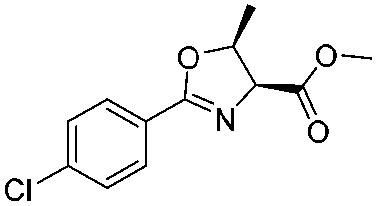
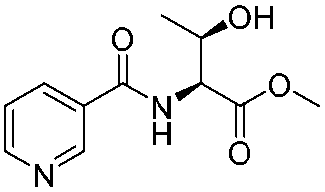
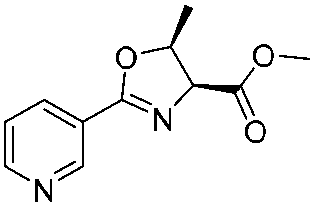
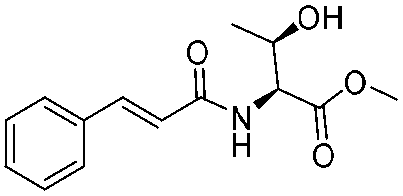
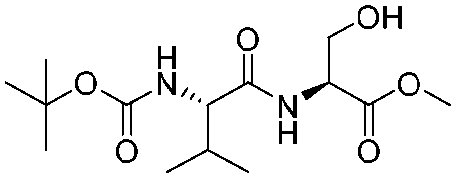
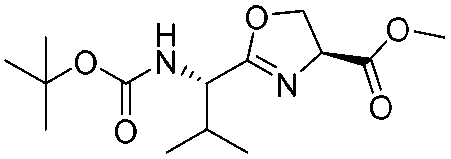
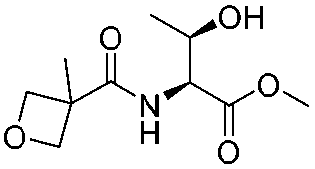
Table 1 Flow cyclodehydration of β-hydroxy amides using Deoxo-Fluor®
EntryaSubstrateProductIsolated yieldb
a Reactions were run on a 2 mmol scale. b Compounds were isolated without purification. c The crude material was passed through a plug of calcium carbonate/silica in place of an aqueous work up. d Total flow rate = 10 mL min−1 with 2.6 eq. of Deoxo-Fluor®.
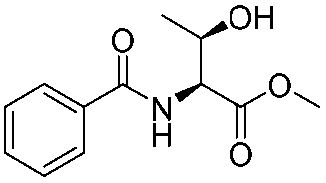
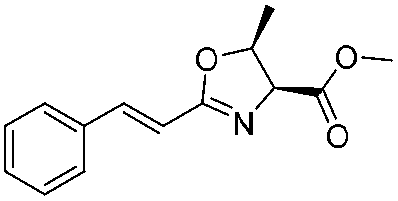
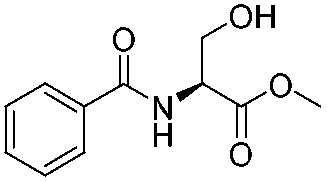
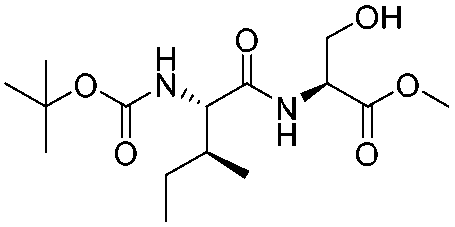
1image file: c4ob02105c-u1.tif1aimage file: c4ob02105c-u2.tif2a98%
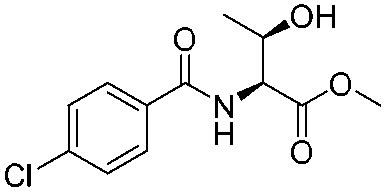
2image file: c4ob02105c-u3.tif1bimage file: c4ob02105c-u4.tif2b98%
3image file: c4ob02105c-u5.tif1cimage file: c4ob02105c-u6.tif2c79%c
4image file: c4ob02105c-u7.tif1dimage file: c4ob02105c-u8.tif2d98%
5image file: c4ob02105c-u9.tif1eimage file: c4ob02105c-u10.tif2e99%
6image file: c4ob02105c-u11.tif1fimage file: c4ob02105c-u12.tif2f95%
7image file: c4ob02105c-u13.tif1gimage file: c4ob02105c-u14.tif2g98%
8image file: c4ob02105c-u15.tif1himage file: c4ob02105c-u16.tif2h92%
9image file: c4ob02105c-u17.tif1iimage file: c4ob02105c-u18.tif2i95%
10image file: c4ob02105c-u19.tif1jimage file: c4ob02105c-u20.tif2j60%
11image file: c4ob02105c-u21.tif1kimage file: c4ob02105c-u22.tif2k85%d
12image file: c4ob02105c-u23.tif1limage file: c4ob02105c-u24.tif2l92%d
………………………………………   


  image file: c4ob02105c-u2.tif2a
(4S,5S)-5-Methyl-2-phenyl-4,5-dihydro-oxazole-4-carboxylic acid methyl ester (2a).

General protocol for the preparation of oxazoline in flow

A solution of Deoxo-Fluor® (1 mL, 50% in toluene) in CH2Cl2 (7.0 mL) and a solution of β-hydroxy amide (2 mmol) in CH2Cl2 (8 mL) were combined at a T-piece (each stream run at 3.0 mL min−1) and reacted at rt in a 10 mL PFA reactor coil. The combined stream was then directed to an aqueous quenching stream (9 mL min−1) and the solution directed to a liquid/liquid separator.22
(4S,5S)-5-Methyl-2-phenyl-4,5-dihydro-oxazole-4-carboxylic acid methyl ester (2a).

image file: c4ob02105c-u2.tif2a


 1H-NMR (600 MHz, CDCl3) δ = 7.98–7.96 (m, 2H), 7.49–7.46 (m, 1H), 7.40–7.38 (m, 2H), 5.05 (dq, 1H, J= 10.2, 6.4 Hz), 4.97 (d, 1H, J = 10.2 Hz), 3.76 (s, 3H), 1.37 (d, 3H, J = 6.5 Hz); 


13C-NMR (151 MHz, CDCl3) δ = 170.5, 166.2, 131.9, 128.6, 128.4, 127.3, 77.7, 71.8, 52.2, 16.3; 

HR-MS (ESI+) for C12H14NO3+ [M + H]+ calc.: 220.0974, found: 220.0981; 


FT-IR neat, [small nu, Greek, tilde] (cm−1) = 2953, 1736, 1645, 1603, 1580, 1496, 1450, 1384, 1349, 1244, 1197, 1174, 1067, 1045, 1001, 973, 934, 904, 886, 851, 778, 695; 


specific rotation: [α]24.1D = +58.58° cm3 g−1 dm−1 (c = 8.5 in ethanol). Lit.: [α]20D = +69.4° cm3 g−1 dm−1 (c = 8.5 in EtOH).39

39…………H. Aït-Haddou, O. Hoarau, D. Cramailére, F. Pezet, J.-C. Daran and G. G. A. Balavoine, Chem. – Eur. J., 2004, 10, 699–707


...............
Portrait of zw261

Dr Zoe Wilson

Post Doctoral Research Associate in the group of Professor Steven V. Ley working on the synthesis of complex natural products and synthetic methodology.
College Lecturer and Fellow at Murray Edwards College.

Research Group

Telephone number

01223 336698 (shared)

Email address

College

Email: zw261@cam.ac.uk    LinkedIn Profile
Zoe grew up on a farm in the small town of Warkworth, New Zealand. After completing her studies she moved to Auckland, New Zealand to attend the University of Auckland where she completed a Bachelor of Science in Medicinal Chemistry then a BSc (Hons) in Medicinal Chemistry under the supervision of Professor Margaret Brimble, working on the synthesis of anti-Helicobacter pylori compounds. She was then funded by a University of Auckland scholarship to carry out Ph.D. research with Professor Brimble into the synthesis of the extremophile natural product berkelic acid. Upon completion of her Ph.D. she was awarded a Newton International Fellowship from the Royal Society to move to the United Kingdom and join the research group of Professor Steven V. Ley in the Department of Chemistry, University of Cambridge. Upon completion of the two year Newton Fellowship, she was then employed as a Post-Doctoral Research Associate to continue working in the Ley group. While in Cambridge, she has been working on the total synthesis of the complex natural products azadirachtin and plantazolicins A and B, in the process developing novel chemistry. In October 2013 Zoe was appointed as a College Lecturer and Fellow at Murray Edwards College.
Teaching
Graduate Lecture Series – Reduction in Organic Chemistry (2 lectures) (2014, 2013)
Senior demonstrator Chemistry II laboratories (2014/2015)
Senior demonstrator Chemistry IB laboratories (2012/2013, 2013/2014)
College Lecturer at Murray Edwards College

Publications


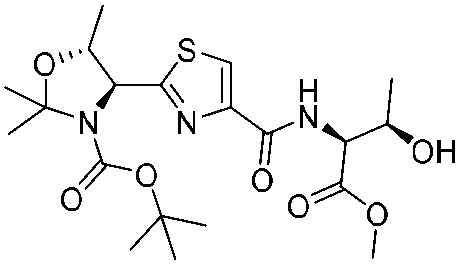
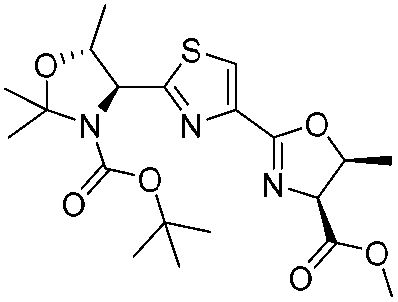
12.          Zoe E. Wilson, Sabine Fenner and Steven V. Ley, “Total syntheses of linear poly-thiazole/oxazole plantazolicin A and its biosynthetic precursor plantazolicin B”, Angew. Chem. Int. Ed., 2015, 54, 1284 – 1288 DOI: 10.1002/anie.201410063R1
11.          Steffen Glöckner, Duc N. Tran, Richard J. Ingham, Sabine Fenner, Zoe E. Wilson, Claudio Battilocchio and Steven V. Ley, “The rapid synthesis of oxazolines and their heterogeneous oxidation to oxazoles under flow conditions”, Org. Biomol. Chem.,2015, 13, 207–214, DOI: 10.1039/c4ob02105c
10.          Michael C. McLeod, Zoe E. Wilson and Margaret A. Brimble, “Formal synthesis of berkelic acid: a lesson in α-alkylation chemistry”, J. Org. Chem., 2012, 77, 1, 400–416, DOI: 10.1021/jo201988m
9.            Michael C. McLeod, Margaret A. Brimble, Dominea C. K. Rathwell, Zoe E. Wilsonand Tsz-Ying Yuen, “Synthetic approaches to [5,6]-benzannulated spiroketal natural products”, Pure Appl. Chem., 2012, 84, 6, 1379-1390, DOI: 10.1351/PAC-CON-11-08-06
8.            Michael C. McLeod, Zoe E. Wilson and Margaret A. Brimble, “An enantioselective formal synthesis of berkelic acid”, Org. Lett., 2011, 13, 19, 5382 – 5385, DOI: 10.1021/ol202265g
7.            Zoe E. Wilson, Jonathan G. Hubert, Margaret A. Brimble, “A flexible approach to 6,5-benzannulated spiroketals”, Eur. J. Org. Chem., 2011, 3938-3945, DOI: 10.1002/ejoc.201100345
6.            Jonathan Sperry, Yen-Cheng (William) Liu, Zoe E. Wilson, Jonathan G. Hubert, Margaret A. Brimble, “Synthesis of benzannulated spiroketals using an oxidative radical cyclization”, Synthesis, 2011, 9, 1383-1398, DOI: 10.1055/s-003001259981
5.            Jonathan Sperry, Zoe E. Wilson, Dominea C. K. Rathwell and Margaret A. Brimble, “Isolation, biological activity and synthesis of benzannulated spiroketal natural products”, Nat. Prod. Rep., 2010, 27, 1117-1137, DOI: 10.1039/b911514p
4.            Zoe E. Wilson and Margaret A. Brimble, “A flexible asymmetric synthesis of the tetracyclic core of berkelic acid using a novel Horner-Wadsworth-Emmons/oxa-Michael cascade”, Org. Biomol. Chem., 2010, 8, 1284-1286, DOI: 10.1039/B927219B
3.            Zoe E. Wilson and Margaret A. Brimble, “Molecules derived from the extremes of life”, Nat. Prod. Rep., 2009, 26, 44–71, DOI: 10.1039/b800164m
Featured as an Instant insight article in Chemical Biology (“Life at the extremes”,Chemical Biology, 2008, 3, B95) and featured on the cover of the issue (Nat. Prod. Rep.,2009, 26, 1-2, DOI: 10.1039/B821737H)
2.            Fiona J. Radcliff, John D. Fraser, Zoe E. Wilson, Amanda M. Heapy, James E. Robinson, Christina J. Bryant, Christopher L. Flowers, and Margaret A. Brimble, “Anti-Helicobacter pylori activity of derivatives of the phthalide-containing antibacterial agents spirolaxine methyl ether, CJ-12,954, CJ-13,013, CJ-13,102, CJ-13,104, CJ-13,108 and CJ-13,015”, Bioorg. Med. Chem., 2008, 16, 6179–6185, DOI: 10.1016/j.bmc.2008.04.037
1.            Zoe E. Wilson, Amanda M. Heapy and Margaret A. Brimble, “Synthesis of indole analogues of the anti-Helicobacter pylori compounds CJ-13,015, CJ-13,102, CJ-13,104 and CJ-13,108”, Tetrahedron, 2007, 63, 5379–5385, DOI: 10.1016/j.tet.2007.04.067


Take a tour
Trobriand Island

Trobriand Islands - Wikipedia, the free encyclopedia

en.wikipedia.org/wiki/Trobriand_Islands
The Trobriand Islands are a 450 km² archipelago of coral atolls off the eastern coast of New Guinea. They are part of the nation of Papua New Guinea and are ...


Carrying cash: Along with yams, dried banana leaves are currency on the island. According to Lafforgue, this little girl's leaves are the equivalent of a bundle of £10 notes


Chief: Mr Tolobuwa is the head of Vaikiki village and always carries betel nuts, lime gourds and spatulas. The spatula is made from bird bone but human used to be used


Pretty: Little girls wear beautiful crowns of flowers and sea turtle shell earrings, some inherited from their mothers.

+27
Mourning: In the Trobriand Islands, those who have had a death in the family, such as this widow, shave their heads


Traditional: Trobriand Islanders wear red grass skirts unique to the islands for ceremonies and weddings. Completing the look are traditional feathered headbands

+27
Traditional: Trobriand Islanders wear red grass skirts unique to the islands for ceremonies and weddings. Completing the look are traditional feathered headbands


In charge: Girls are encouraged to take part in 'battles' and dance topless, with most choosing to wear red grass skirts, shells, feathers and fresh flowers


Elaborate: The skirts worn by the women are made from dried grass, while necklaces and bracelets are made from shells. Men wear cockatoo feather headdresses


Colourful: A woman from the Trobriand Islands

+27
Love shack: Each village has a special hut for teenagers who want to make love to their boyfriends and girlfriends - the doors are plastered with safe sex stickers

He was followed in the 1930s by a Catholic Mission but the islanders, although ruled by first the British and then the Australians, clung firm to their traditional ways.
Modernity: As more and more children go to school, some of the old ways are being lost

+27
Tradition: Other parts of Trobriand society, such as annual shell selling expeditions, continue


Chief's family: The house of the chieftain is recognisable by its height, shell decorations and the presence of a malagan - a carved, painted totem pole

+27
Chief's family: The house of the chieftain is recognisable by its height, shell decorations and the presence of a malagan - a carved, painted totem pole


Relaxed: While the islanders have tried hard to cling to their traditions, some have embraced parts of modern life such as instruments

+27
Pet: Pigs are eaten but they are considered to be pets and are treated like dogs


Changing times: Although some modern items such as musical instruments have been embraced, islanders cling to many traditions, including keeping pigs as pets


Is that a googly? Cricket is hugely popular and was introduced by colonial authorities. Banned from going to war, the Trobriand Islanders settle their differences with a game


Is that a googly? Cricket is hugely popular and was introduced by colonial authorities. Banned from going to war, the islanders settle their differences with a game
Home sweet home: In Obweria village, the many thatched huts are built on stilts around a central square, which is known to locals as the Buka


Big dreams: Seven-year-old Salome hopes to one day become a teacher

+27
Magic: According to the Trobriand Islanders, conception isn't linked to sex but instead to magic


Magic: Although many, among them seven-year-old Salome, go to school, the Trobriand Islanders continue to believe in magic and believe it is responsible for conception


Important: Because yams are the main sign of wealth, yam houses - huts where the tubers are stored - are very important. Those belonging to chiefs are highly decorated


Important: Because yams are a sign of wealth, yam houses - huts where the tubers are stored - are very important. Those belonging to chiefs are highly decorated


Pretty: Teenagers wear earrings made from tortoiseshell - keeping them in until they have a daughter of their own

+27
Fragile: One of the beautifully decorated kula boats, which comne covered in shells

+27

Delicate: Teenage girls wear tortoiseshell earrings which they eventually pass on to their daughters, while traditional kula boats come covered in cowrie shells


Jewellery: Most of the Trobriand Islanders sport elaborate bracelets and necklaces, all of which are made from natural materials such as shells, stones and feathers

+27
Jewellery: Most of the Trobriand Islanders sport elaborate bracelets and necklaces, all of which are made from natural materials such as shells, stones and feathers


Rare: Because the islands are coral atolls, anything made from stone is considered rare and valuable. This stone was polished and given as a wedding gift


Rare: Because the islands are coral atolls, anything made from stone is considered rare and valuable. This stone was polished and given as a wedding gift


Excitement: The weekly flight from Port Moresby, capital of Papua New Guinea, is the most exciting moment of the week for many and draws huge crowds


Excitement: The weekly flight from Port Moresby, capital of Papua New Guinea, is the most exciting moment of the week for many and draws huge crowds
War: During World War II, thousands of American soldiers were stationed on the Trobriand Islands. Vintage dog tags and other memorabilia can be picked up for as little as 20p


War: During World War II, thousands of American soldiers were stationed on the Trobriand Islands. Vintage dog tags can be picked up for as little as 20p
Remote: The idyllic islands are home to the Trobriand Islanders, who still live in much the same way as they always have - including fishing from wooden canoes

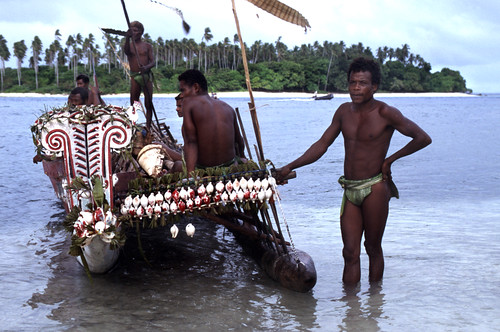
Remote: The idyllic islands are home to the Trobriand Islanders, who still live in much the same way as they always have - including fishing from wooden canoes

Paradise: The remote Trobriand Islands are a tiny knot of coral atolls sitting within the Solomon Sea and are part of Papua New Guinea


.


  DRUG APPROVALS BY DR ANTHONY MELVIN CRASTO .....FOR BLOG HOME CLICK HERE


Join me on Linkedin

View Anthony Melvin Crasto Ph.D's profile on LinkedIn

Join me on Facebook FACEBOOK
Join me on twitterFollow amcrasto on Twitter     
Join me on google plus Googleplus

 amcrasto@gmail.com


///////

Wednesday, 10 June 2015

Flow Synthesis of Fluorinated α-Amino Acids

thumbnail image: Flow Synthesis of Fluorinated α-Amino Acids

Dr. Susan Wilkinson, Deputy Editor for the European Journal of Organic Chemistry, talks to Professor Beate Koksch, Freie Universität Berlin, Germany, and Professor Peter Seeberger, Max Planck Institute of Colloids and Interfaces, Potsdam, Germany, about their article on the synthesis of fluorinated amino acids recently published in the European Journal of Organic Chemistry.

Flow Synthesis of Fluorinated α-Amino Acids

Dr. Wilkinson, European Journal of Organic Chemistry, talks to Professors Koksch and Seeberger about fluorinated amino acids
Read more
http://www.chemistryviews.org/details/ezine/7956531/Flow_Synthesis_of_Fluorinated_-Amino_Acids.html
 Professor Beate Koksch, Freie Universität Berlin, Germany,
.Prof. Dr. Beate Koksch
Institute of Chemistry and Biochemistry – Organic Chemistry 
Freie Universität Berlin 
Takustr. 3
14195 Berlin
Working Group: AG Koksch
Space: 32.18
Tel .: + 49-30-838-55344, Fax -55 644
Secretariat:
Tel .: + 49-30-838-55880
(woman Skowronski, room 32.17)
Email: Beate.Koksch (At)fu-berlin.de

.
Koksch ++49 – 30 – 838 55344
 e-mail
 homepage (http://userpage.chemie.fu-berlin.de/~akkoksch/)
Free University of Berlin
Takustr. 3
14195 Berlin
Germany

Nominated by

  • German Research Foundation (DFG)
  • AcademiaNet member since 13.03.2015

Employed by

  • Freie Universität Berlin

Academic Discipline/Fields

  • Natural sciences/ Engineering/ Agricultural sciences

Field

Chemistry

Area of specialisation

Organic and Natural Product Chemistry

Research interests

  • folding mechanisms occuring in neurodegenerative diseases
  • developing new multivalent scaffolds
  • investigating the impact of fluorine on amino acids, peptides and proteins

Distinctions and Awards

  • Georg Thieme publisher’s award, 2002Lessing medal in gold, 1986
………………………………………………..
Professor Peter Seeberger, Max Planck Institute of Colloids and Interfaces, Potsdam, Germany

Since 2011, Professor Peter H. Seeberger, Max Planck Institute of Colloids and Interfaces in Potsdam, Germany, is Editor-in-Chief of the Beilstein Journal of Organic Chemistry.
Editor-in-Chief of the Beilstein Journal of Organic Chemistry is Professor Peter H. Seeberger, Max Planck Institute of Colloids and Interfaces in Potsdam, Germany, who is supported by a distinguished board of associate editors, each of whom is responsible for a particular subject area within the journal’s scope. Over 40 scientists from all over the world, including several Nobel Prize laureates, support the Beilstein Journal of Organic Chemistry as Advisory Board members.
Prof. Dr. Peter H. Seeberger
Director
Phone:+49 30 838-59301Fax:+49 30 838-59302
Email:boehme@…

German researchers develop cheap and high-yield process to manufacture anti-malaria drug

Jan 18, 2012
Researchers at the Max Planck Institute of Colloids and Interfaces in Potsdam and the Freie Universität Berlin have developed a very simple process for the synthesis of artemisinin – the best anti-malaria drug – more economically and in sufficient volumes for all patients. This means that it will be possible to provide medication for the 225 million malaria patients in developing countries at an affordable price.
An Anopheles female mosquito that transmits malariaAn Anopheles female mosquito that transmits malaria(© picture alliance/dpa Fotografia)Over one million people die of malaria each year because they do not have access to effective drugs.Millions, especially in the developing world, cannot afford the combination drug preparation, which consists mainly of artemisinin.
Moreover, the price for the medication varies, as this substance is isolated from sweet wormwood (Artemisia annua) which grows mainly in China and Vietnam, and varies seasonally in its availability.
Pharmaceutical companies could only obtain the drug from plants up to now. The chemists use a waste product from current artemisinin production as their starting substance. This substance can also be produced biotechnologically in yeast, which the scientists convert into the active ingredient using a simple yet very ingenious method.
This may be about to change. Peter H. Seeberger, Director at the Max Planck Institute of Colloids and Interfaces in Potsdam and Professor of Chemistry at the Freie Universität Berlin and his colleague François Lévesque have discovered a very simple way of synthesising the artemisinin molecule, which is known as an anti-malaria drug from traditional Chinese medicine and has an extremely complex chemical structure. “The production of the drug is therefore no longer dependent on obtaining the active ingredient from plants,” says Peter Seeberger.
Synthesis from a by-product of artemisinin production
As a starting point, the chemists use artemisinic acid – a substance produced as a hitherto unused by-product from the isolation of artemisinin from sweet wormwood, which is produced in volumes ten times greater than the active ingredient itself. Moreover, artemisinic acid can easily be produced in genetically modified yeast as it has a much simpler structure. “We convert the artemisinic acid into artemisinin in a single step,” says Peter Seeberger. “And we have developed a simple apparatus for this process, which enables the production of large volumes of the substance under very controlled conditions.”
The effect of the molecule, which not only targets malaria but possibly also other infections and even breast cancer, is due to, among other things, a very reactive chemical group formed by two neighbouring oxygen atoms – which chemists refer to as an endoperoxide. Peter Seeberger and François Lévesque use photochemistry to incorporate this structural element into the artemisinic acid. Ultraviolet light converts oxygen into a form that can react with molecules to form peroxides.
800 photoreactors should suffice to cover the global requirement for artemisinin
Dr. Peter H. Seeberger, Director at the Max Planck Institute of Colloids and Interfaces in Potsdam and Professor of Chemistry at the Freie Universität BerlinDr. Peter H. Seeberger, Director at the Max Planck Institute of Colloids and Interfaces in Potsdam and Professor of Chemistry at the Freie Universität Berlin(© dpa)“Photochemistry is a simple and cost-effective method. However, the pharmaceutical industry has not used it to date because it was so difficult to control and implement on a large scale,” explains Peter Seeberger.
“The fact that we do not carry out the synthesis as a one-pot reaction in a single vessel, but in a continuous-flow reactor enables us to define the reaction conditions down to the last detail,” explains Peter Seeberger.
After just four and a half minutes a solution flows out of the tube, in which 40 percent of the artemisinic acid has become artemisinin. “We assume that 800 of our simple photoreactors would suffice to cover the global requirement for artemisinin,” says Peter Seeberger. And it could all happen very quickly. Peter Seeberger estimates that the innovative synthesis process could be ready for technical use in a matter of six months. This would alleviate the global shortage of artemisinin and exert considerable downward pressure on the price of the associated drugs…….see        http://www.india.diplo.de/Vertretung/indien/en/__pr/Edu__Science__News/Malaria__drug.html

Max Planck Institute for Colloids and Interfaces

Peter Seeberger2

Peter Seeberger
Department of Biomolecular Systems
Max Plank Institute for Colloids and Interfaces
(Potsdam, Germany)
peter.seeberger@mpikg.mpg.de
http://www.peter-seeberger.de/
The core interests our research program currently address the following areas:
Automated oligosaccharide synthesis
  • Rapid access to monosaccharide by de-novo synthesis
  • New protecting groups
  • New Glycosylating Agents
  • New linkers for solid phase carbohydrate synthesis
  • Assembly of complex structures (in particular N-Glycans, O-Glycans)
  • Optimization of steps followingthe assembly, like deprotection, modification and conjugation
Total Synthesis of Biologically Important Oligosaccharides
  • Tumor-associated antigens
  • HIV-related oligosaccharides
  • Bacterial cell-surface antigens
  • N-linked glycoproteins
Chemical Synthesis and Biochemistry of Proteoglycans
  • Modular synthesis of heparin/heparan sulfates
  • Creation of heparin microarray
  • Optimization of the building blocks synthesis
  • Study of the SAR (structure-activity relationship) and the interactions between Proteoglycans and proteins
  • Automated synthesis of heparin fragments
Total Synthesis and Biological Activity of Glycosylphosphatidylinositols (GPIs)
  • Total syntheses of GPIs
  • Development of a synthetic GPI malarial vaccine
  • Elucidation of the biosynthesis of GPI
  • Immunological response to synthetic GPIs
Development of Cabohydrate-based Vaccines
  • A fully synthetic malaria vaccine
  • Leishmania vaccine
  • Synthetic HIV vaccine
  • Synthetic TB vaccine
Microreactors for Organic Synthesis
  • (Automated) Synthesis in continuous flow Microreactors
  • Photochemistry in Microflow reactors
  • Catalysis in Microreactors
Carbohydrate Microarrays
De novo synthesis
Nanoparticules and Colloidal Polymers
  • Quantum dots
  • Supramolecular dendrimers
  • Emulsion polymerization of nanoparticules


http://www.theguardian.com/technology/2012/feb/05/malaria-drug-synthesis-peter-seeberger
.
take a tour
Potsdam, Germany
  1. Potsdam – Wikipedia, the free encyclopedia

    en.wikipedia.org/wiki/Potsdam
    Potsdam (German pronunciation: [ˈpɔtsdam] ( listen)), is the capital city of the German federal state of Brandenburg. It directly borders the German capital Berlin  …
Map of potsdam germany


  DRUG APPROVALS BY DR ANTHONY MELVIN CRASTO .....FOR BLOG HOME CLICK HERE


Join me on Linkedin

View Anthony Melvin Crasto Ph.D's profile on LinkedIn

Join me on Facebook FACEBOOK
Join me on twitterFollow amcrasto on Twitter     
Join me on google plus Googleplus

 amcrasto@gmail.com


//////////////